

When you imagine your dream kitchen, you may picture beautiful countertops, shining appliances, and stylish cabinetry. But beyond aesthetics, a truly functional kitchen relies on proper flow. A well-planned layout ensures cooking, cleaning, and entertaining feel effortless.
Whether you’re remodeling or designing from scratch, understanding how to design a well-flowing space is key to creating a kitchen that not only looks beautiful but works perfectly.
Why Kitchen Flow Matters
The kitchen is often considered the heart of the home, and for good reason. It’s where meals are prepared, conversations happen, and family gathers. Poor flow can make it hard to cook, whether it’s too much back and forth between appliances, a lack of counter space where you need it, or cramped dysfunction when more than one person is in the room. Good flow, on the other hand, enhances efficiency, reduces stress, and allows the space to support everyday living as well as entertaining.
The Classic Work Triangle
One of the most tried-and-true design principles is the kitchen work triangle, which connects the three main work areas:
- Sink (cleaning and prep)
- Stove/oven (cooking)
- Refrigerator (food storage)
This concept involves placing these elements in a triangle formation to minimize unnecessary steps while ensuring there’s enough space to move comfortably. While modern kitchens may not follow this rule as strictly, it’s still a helpful guideline when thinking about flow.
Zones for Modern Living
Today’s kitchens often go beyond the work triangle, especially in open-concept layouts. Instead of a single triangle, many homeowners design their kitchens around zones:
Prep Zone — This is counter space or chopping, mixing, and prepping. It should ideally be between the cleaning and cooking zones, so you can easily access the sink for washing produce and easily transfer ingredients to the cooking zone.
Cooking Zone — This includes the stove and oven with easy access to utensils, pots, and spices. Make sure you also have enough countertop space next to the stove and oven to safely place hot dishes.
Cleaning Zone — This zone includes the sink, dishwasher, and trash/recycling in one streamlined area. Consider placing dish storage near the dishwasher to make unloading easier.
Storage Zone — This zone has the pantry, cabinets, and refrigerator grouped together for convenience.
Entertainment Zone — This could be an island or seating area that allows family and guests to gather without disrupting the cooking process.
Baking Zone — This is an optional, extra area for avid bakers. It includes countertop space for a stand mixer, and storage for baking sheets, ingredients, and measuring tools.
Traffic Flow and Safety
Beyond task zones, consider how people move through the kitchen:
- Avoid placing major appliances where doors or drawers block walkways
- Keep the cooking area out of the main traffic path to prevent accidents.
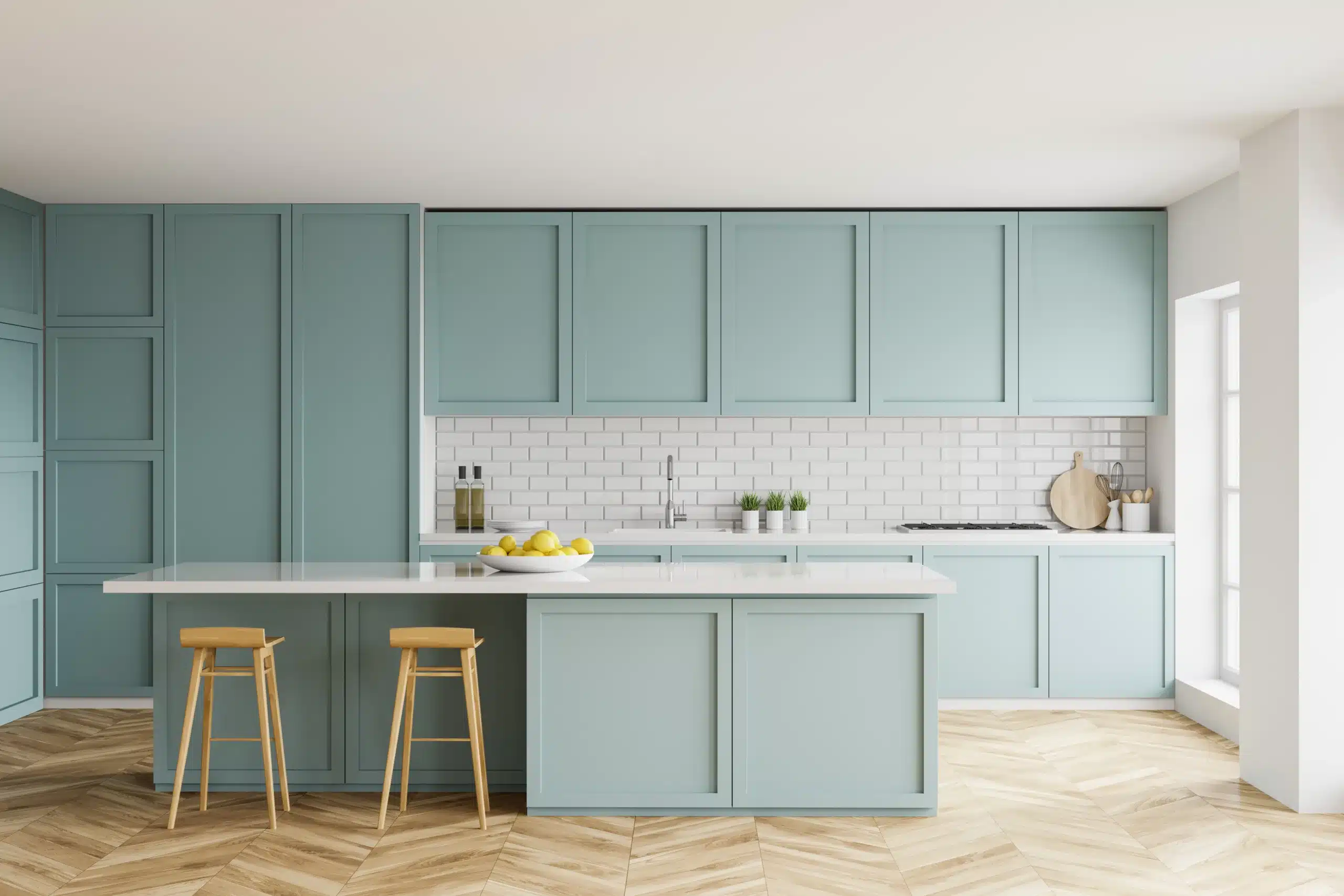
- If you have an island, make sure there’s at least 38 to 42 inches of clearance around it for comfortable movement.
Personalizing the Flow
Every family uses their kitchen differently. Think about how you cook, how many people use the space at once, and whether you entertain often. For example:
- Kids might prefer a snack station or a fridge drawer accessible without crossing the cooking zone.
- Avid home chefs may prefer double ovens and a prep sink to streamline meal-making.
- Frequent entertainers might benefit from a large island with seating to separate guests from the work areas.
Additional Tips for Creating Your Dream Kitchen
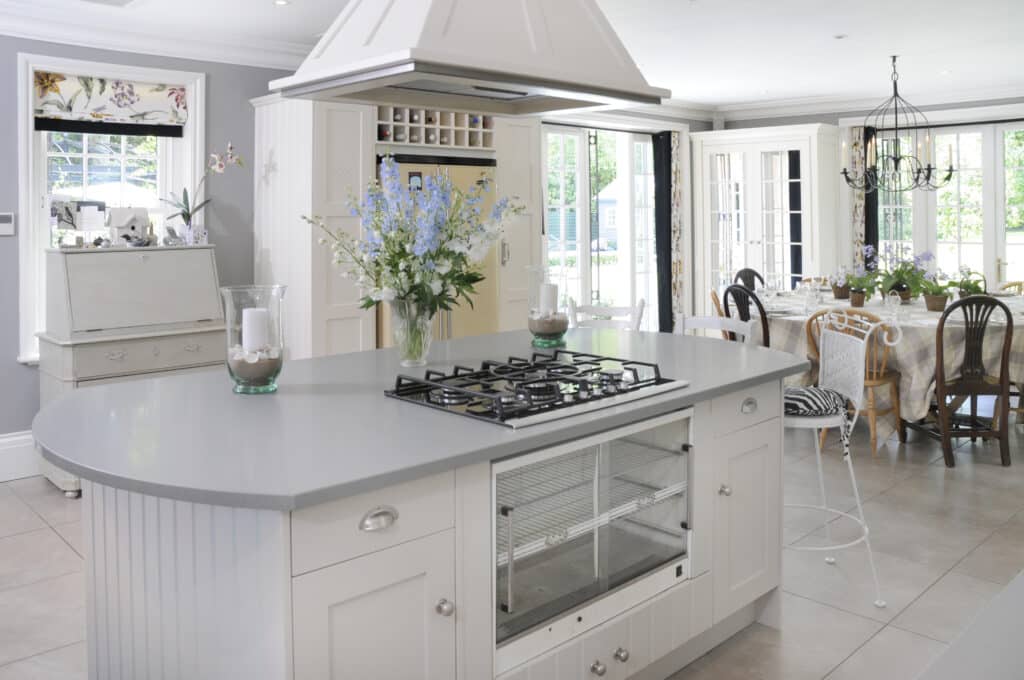
Storage — Integrate ample storage, such as pull-out drawers and custom cabinets, to reduce clutter and improve organization.
Lighting — Use a combination of ambient and task lighting to illuminate work areas and create a welcoming atmosphere.
Decor — Personalize the space with unique decor pieces, statement vases, or curated kitchenware to reflect your style.
Color Palette — Select a harmonious color scheme that enhances the mood. Use light colors to make your kitchen seem larger or bolder colors to create a modern look.
Durability and Maintenance — Invest in materials that can withstand daily use and are easy to clean, like hardwood floors and stainless steel appliances.
Countertops and Cabinetry — Choose materials that are both durable and align with your aesthetic, such as quartz countertops or sleek cabinetry.
A Perfect Kitchen Starts with Good Flow
Designing your dream kitchen starts with understanding how the space will function day to day. By focusing on flow — whether through the classic work triangle, modern zones, or thoughtful traffic patterns — you can create a kitchen that works for you. The right layout saves time, prevents frustration, makes cooking and gathering more enjoyable, and helps your kitchen truly be the heart of your home.
Follow Us